A WV News profile of how X-MAT is putting West Virginia coal to high-tech use, and why the company chose Bluefield.
BLUEFIELD – WV News reported on X-MAT, the composites company led by Bill and Sue Easter, and its plan to turn the Mountain State’s best-known resource into advanced materials while creating new manufacturing jobs.
Highlights from the article:
- Coal as the missing ingredient. While developing polymer-derived ceramics in bulk sizes and shapes, the team needed a carbon source. Mixing in coal produced excellent results, and the process uses whole coal particles in a proprietary formulation.
- Carbon stays in the product. The process runs at relatively low temperatures, so the coal does not burn and its carbon is sequestered rather than released as greenhouse gas.
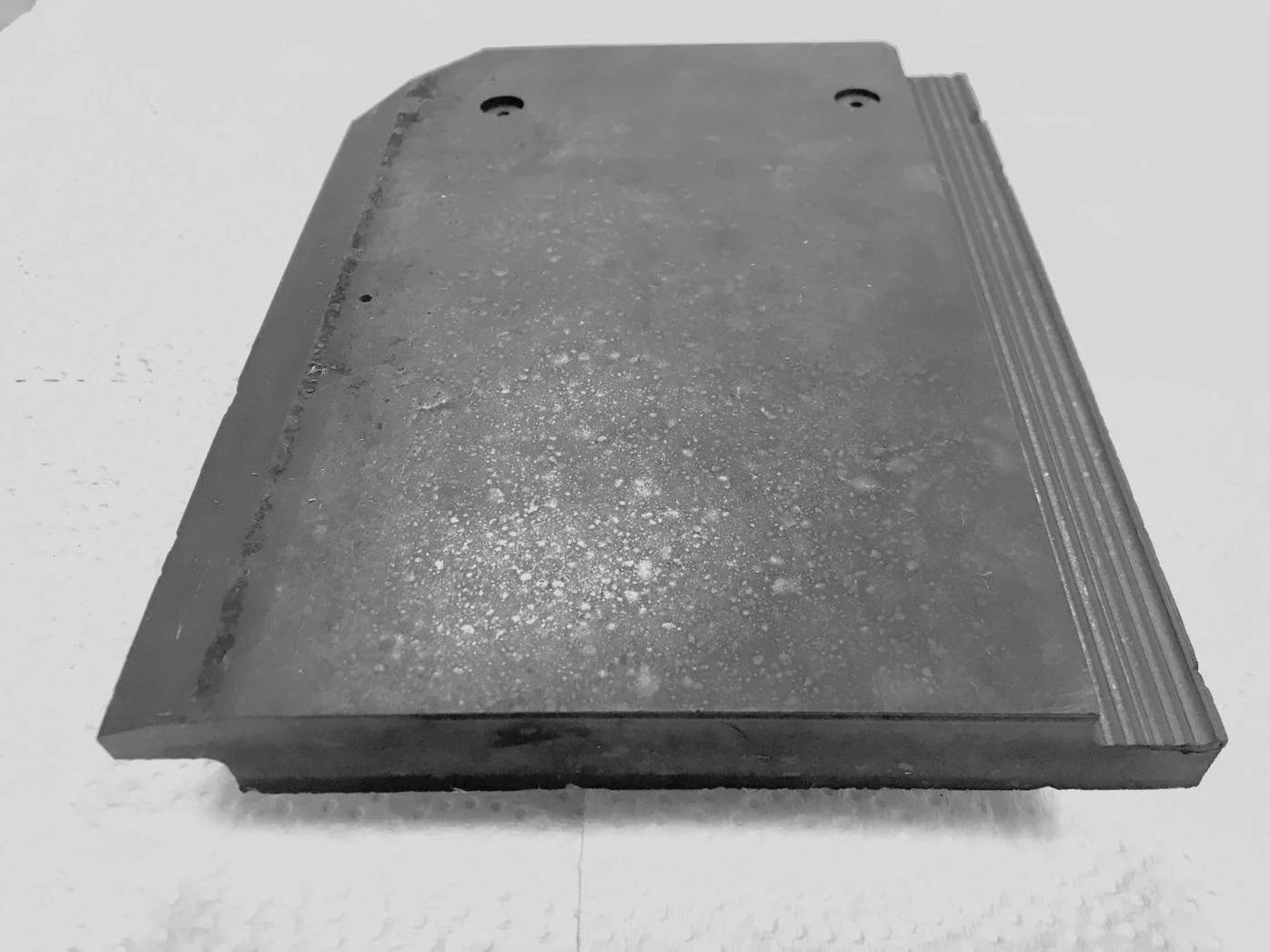
- Lighter, stronger roof tiles. The resulting ceramic can be made into roof tiles that are stronger than those on the market, 2–3 times lighter than other ceramic tiles and 4–5 times lighter than metal.
- Beyond building materials. X-MAT is also exploring coal-based anode materials for lithium batteries as an alternative to graphite.
- Why Bluefield. With its research lab in Florida, X-MAT chose Bluefield in Mercer County for manufacturing to be close to coal supplies and to the city’s long history of coal, rail and industry. Bruce Mutter of Bluefield State College’s Center for Applied Research & Technology is helping take the work from R&D into production.
- Support along the way. The work has been backed by an SBIR Phase I grant from the National Energy Technology Laboratory and by TechConnect WV’s NextUp West Virginia program.
This is a summary. Read the full article at WV News: X-MAT aims to produce new value from an old commodity.